"Wisdom comes from many experiences"
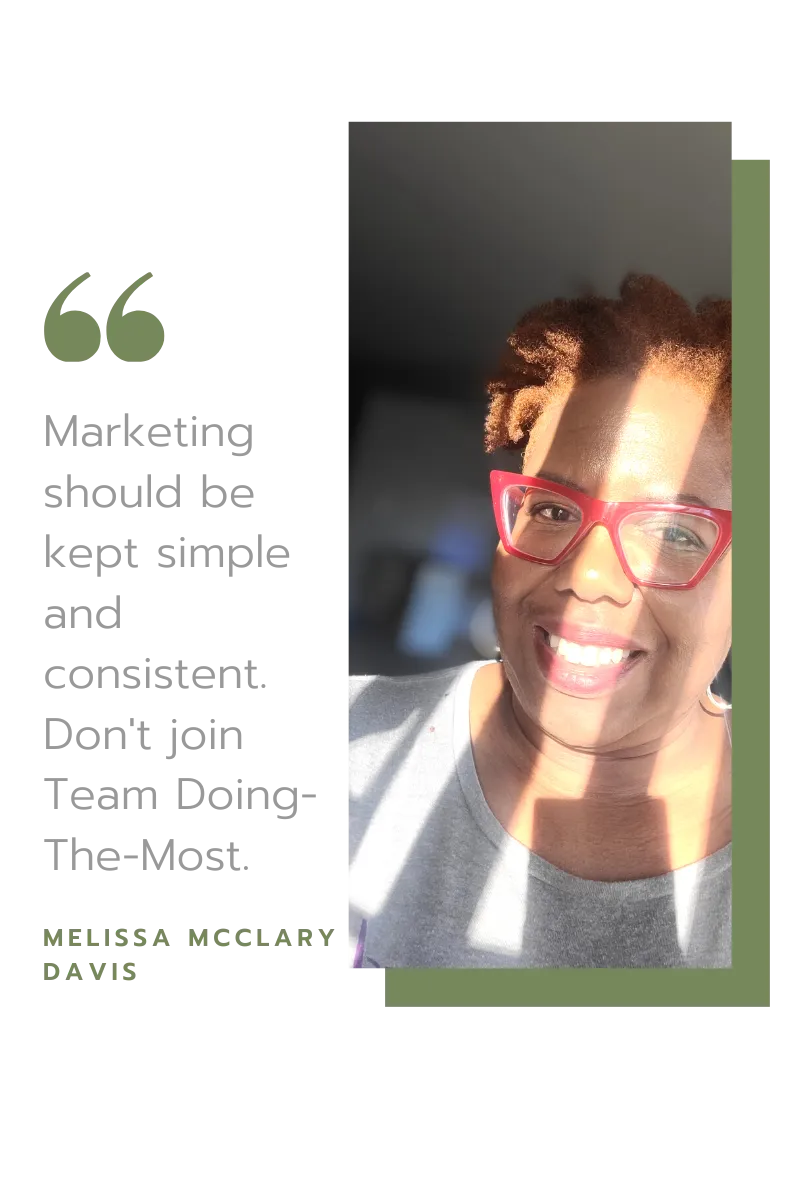
Melissa McClary Davis
is the Founder and CEO. She has established herself as a leading expert in the digital marketing industry with over 25 years of digital marketing experience with Fortune 500 companies in a diverse range of industries including
Coca-Cola, AT&T, Ford, General Motors, State Farm, Hallmark Cards, Lane Bryant, Best Buy, Facebook and Instagram.
In addition to serving the top corporate echelon, Melissa’s passion for problem-solving has also led her to provide top-tier marketing services to small business owners to support them in successfully navigating digital marketing. As a result, her clients achieve noteworthy sales conversion and high ROI with marketing strategies that reach maximum market shares in the digital universe.
Melissa leads a team of experienced strategists, data analysts, graphic designers, ad specialists with over 80 years of digital or marketing experience.
The WDM Blog & Case Studies
What Is Marketing Infrastructure? (And Why Most Small Businesses Don't Have It)
By Melissa McClary Davis | Wise Digital Marketing
Key Takeaways
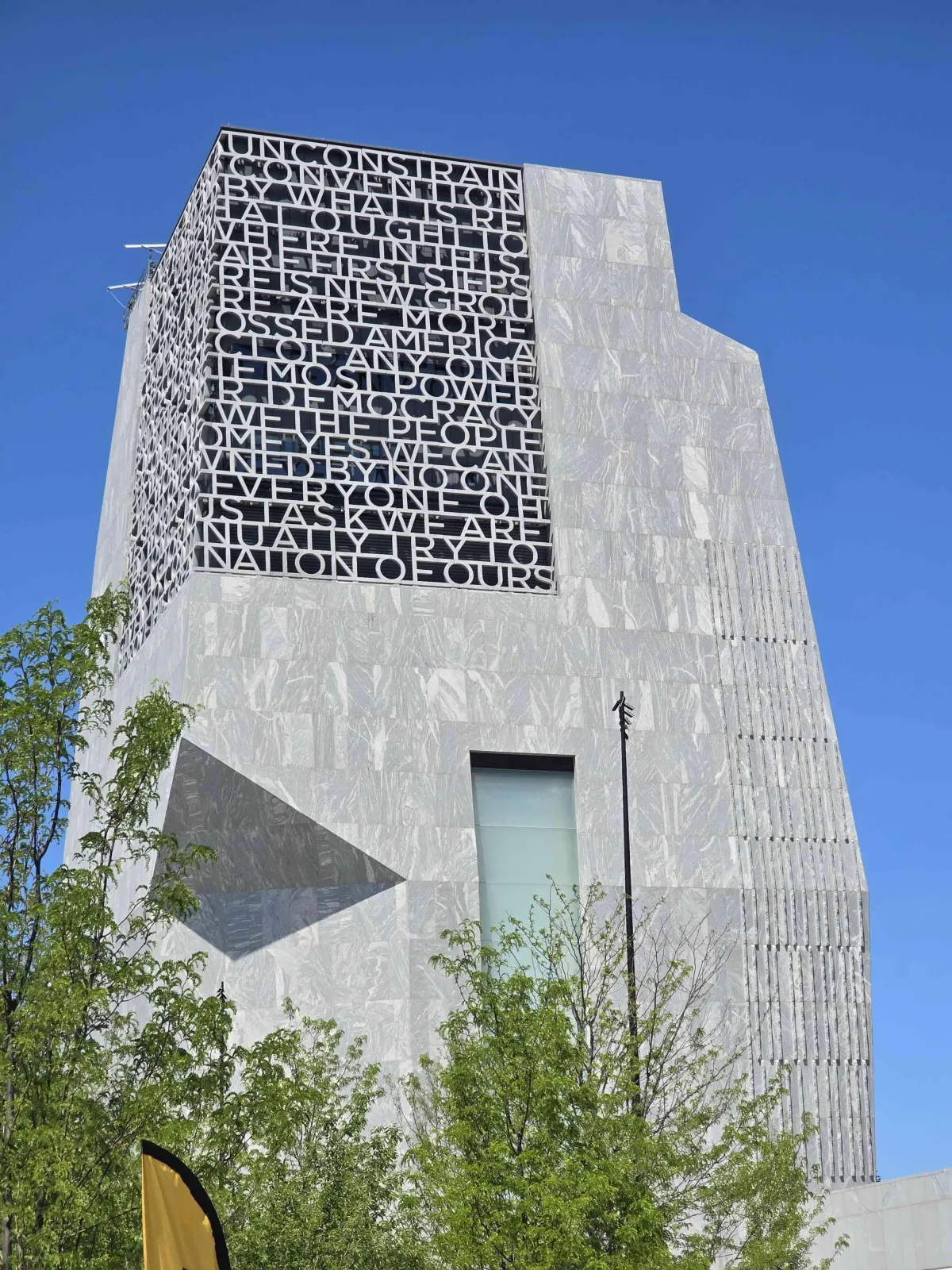
The Obama Presidential Center is an $850 million, 19-acre campus on Chicago's South Side, built not just as a landmark but as a long-term resource for the community.
Most established business owners have built marketing that works when they're active and stops when they step back. That's a monument, not infrastructure.
Marketing infrastructure generates leads and referrals consistently, without requiring your daily presence.
June 19, 2026.
The Obama Presidential Center opens its doors on Juneteenth, and I've been thinking about what that means since I visited the Center a couple weeks ago.
Not just as a cultural moment, though it is one. Not just as a point of Chicago pride, though that's true too. I've been thinking about it as a builder.
Because what went up on that 19-acre campus in Hyde Park isn't just a museum. It's infrastructure. And there's a lesson in that for every business owner serious about what they're building.
It Wasn't Built for the Moment. It Was Built for After.
Think about every decision that went into the Obama Presidential Center.
The location. Planted on Chicago's South Side, where the Obamas' story actually began. Not downtown, where foot traffic would be easier. On the South Side, where the investment would mean something.
The opening date. Juneteenth. Not a coincidence. A statement.
The design. The words "You Are America" are carved into the exterior of the museum tower, letting light pass through the letters into the rooms inside. Every detail is intentional. Every detail serves something bigger than the moment.
And then there's this: a branch of the Chicago Public Library, on the same campus. Because the vision wasn't just a landmark. It was a resource. Something that serves the community long after the ribbon-cutting is a memory.
That's the difference between a monument/library and infrastructure.
Most Businesses Are Built for Today
Here's something you might not want to hear.
Most of the business owners I work with have built themselves a very impressive job.
They've got the name recognition. The referrals. The results speak for themselves. Revenue that proves they know what they're doing. But if they stepped back for 90 days, if they stopped posting, stopped networking, stopped being the engine, the marketing would stop too.
That's not a business. That's a performance that needs you in it every single day.
And I get how it happens. You build what you need to survive first, then to grow. You figure it out as you go. Nobody hands you a blueprint. A lot of us built real things without a board of advisors in our corner, without institutional backing, without the runway that makes risk feel comfortable.
That's not a failure. That's how it gets done.
But there comes a point where what got you here won't get you where you're going. And the businesses that grow past that point aren't working harder. They're building differently.
Infrastructure vs. Performance: The Real Marketing Question
Here's what I want you to sit with.
When Obama decided to build a Presidential Center instead of just a library, he made a choice about legacy. He asked: what do I want this to do after I'm no longer running it?
That's the question most business owners never ask about their marketing.
What does your marketing do when you're not actively pushing it?
Does your content work while you sleep? Does your email list nurture people who found you six months ago? Does your digital presence convert, or does it just sit there? Is your positioning clear enough that the right people refer you without being asked?
If the answer to most of those is "not really," you don't have a marketing problem. You have an infrastructure problem.
Let's go back and look at just the basic marketing foundation principles. I know this may sound remedial for some, but it's always good to revisit.
The Six P's I use in every Revenue Blueprint engagement, Product, Price, Place, Promotion, Perception, Positioning, aren't a checklist. They're an architectural review. Most businesses have done the work on the first four. Promotion is running. Product is solid. But Perception? Positioning? Those are often completely unexamined.
And that's where the building starts to lean.
What Building With Intention Actually Looks Like
The Obama Presidential Center took years. It took vision. It took decisions made not just for the moment, but for the next 50 years.
Your marketing doesn't need 50 years. But it does need intention.
It needs to know who it's for. Not generally, specifically. It needs a message so clear that your ideal client reads it and thinks, she's talking to me. It needs a structure that moves people from discovery to trust to decision, without you personally walking each one through it.
That's what a Revenue Blueprint builds. Not a content calendar. Not a social media strategy. A connected system where every piece knows its job and does it, whether you're in the room or not.
The businesses that look back on 2027 as their best year yet are making those decisions right now. Not in Q4, when everyone's in a scramble. Now, in the summer, when it's quiet enough to think.
The Takeaway
On the day the Obama Presidential Center opens, here's the question I want to leave you with:
Are you building a monument, something impressive that needs your constant presence to stay standing? Or are you building infrastructure, something that serves people and keeps bringing in clients long after you've moved on to the next thing?
Both take work. Only one of them holds up without you.
If you're ready to build the infrastructure version, the marketing system that works like the business you actually want to run, that's exactly what the Revenue Blueprint is designed to do.
Let's talk: wisedigitalmarketing.com/revblue
Melissa McClary Davis is the founder of Wise Digital Marketing and creator of the Revenue Blueprint, a strategic marketing engagement for established business owners ready to build marketing that actually works. Based in Detroit. Trusted nationally.

FAQS
What does a business management consultant do?
A business management consultant is a professional who provides expert advice and guidance to organizations to help them improve their overall performance and efficiency. They analyze the company's operations, identify areas for improvement, and develop strategies and solutions to address specific challenges. Consultants often work with businesses on a wide range of issues, including process optimization, cost reduction, strategic planning, and organizational development.
How much do business management consultants typically charge for their services?
The fees for business management consultants can vary widely based on several factors, including the consultant's experience, the complexity of the project, and the geographic location. Typically, consultants charge either an hourly rate, a daily rate, or a project-based fee. Hourly rates can range from $100 to $300 or more per hour, while daily rates can range from $1,000 to $3,000 or more per day. Project-based fees will depend on the scope of work and can range from a few thousand dollars to several hundred thousand dollars for larger, more complex projects. It's essential to discuss fees and payment structures with potential consultants during the initial consultation.
How long does it take for a business management consultant to deliver results or recommendations?
The timeline for seeing results or receiving recommendations from a business management consultant can vary depending on the nature and scope of the project. Some smaller projects may yield results in a matter of weeks, while larger, more complex initiatives may take several months to complete. The consultant should provide you with a clear project timeline and milestones during the initial engagement. It's important to note that the speed of results can also depend on how quickly the organization can implement the consultant's recommendations.
